Breaking ground is an exciting milestone. After years of saving, planning and dreaming, the moment construction finally begins feels like your vision is coming to life. But for diaspora investors building from abroad, the most important groundwork happens before the first excavator arrives on site — and that is what this checklist before building a house in Kenya is for.
The costliest construction mistakes aren't made during the build — they're made before it, when corners are cut on due diligence, paperwork and planning. A rushed start is where fraud, delays, disputes and abandoned projects begin.
Before you break ground, work through this checklist. Each item safeguards your money, your timeline and your peace of mind.
1. Land and ownership
Nothing matters more than the ground you're building on.
Title deed verified — confirmed genuine through an official land search.
Ownership confirmed — the seller or transferor is the rightful owner, with no disputes or caveats.
Land search — conducted at the relevant Land Registry.
No encumbrances — the land is free of liens, charges or legal claims.
Boundaries and survey — confirmed by a licensed surveyor, with beacons identified on the ground.
Land use — matches your intended development (residential, commercial and so on).
Why it matters: Building on disputed or wrongly owned land is the single most devastating loss a diaspora investor can suffer. Get this right first, always.
2. Approvals and compliance
Building without approvals is illegal and risky.
Professional sign-off — drawings stamped by a registered architect and structural engineer.
County Government approvals — architectural and structural plans approved.
NCA registration — your contractor is registered with the National Construction Authority and holds an active licence in the correct category. Your project is also registered with the NCA where necessary.
NEMA approval — environmental approval obtained where required.
Construction permit issued before any work begins.
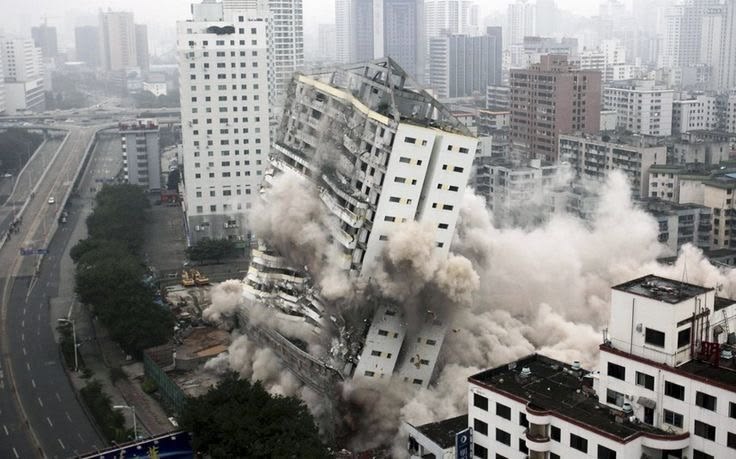
Why it matters: Construction of unapproved buildings can be stopped, the owner can be fined, or the structure can be demolished. Approvals provide legal and structural protection for your investment.
3. Design and documentation
You can't control what you haven't clearly defined.
Complete architectural drawings finalised and approved.
Structural and engineering drawings completed by qualified professionals and approved.
Bill of quantities (BoQ) prepared — a detailed breakdown of materials, quantities and costs.
Specifications documented — the quality and standard of finishes agreed in writing.
Realistic budget set, based on the BoQ, with a contingency allowance built in and a management reserve set aside.
Honest timeline agreed, mapped to clear milestones.
Why it matters: A detailed BoQ and complete drawings are your benchmarks for cost, quality and progress. Vague plans are where money leaks and disputes arise.
4. Choosing the right people
Your project is only as good as the people delivering it.
Contractor verified — registered, licensed, and with a track record you've checked.
References taken — you've spoken to past clients and, ideally, seen completed work.
Project manager appointed to represent your interests and oversee the build.
Professional team confirmed — architect, engineer and quantity surveyor as needed.
Roles and responsibilities clearly defined in writing.
Why it matters: Good intentions don't replace professional accountability. Independent oversight is how you stay in control from abroad.
5. Contracts and money
This is where control is either gained or lost.
Written contract in place covering scope, specifications, timeline, payments and responsibilities.
Milestone-based payment schedule agreed — never a large sum upfront.
Escrow protection arranged — funds held by a partner bank and released only as verified milestones are achieved (foundation, walling, roofing, finishes and handover).
Bank details verified and matched across contracts and invoices.
Variation procedure agreed — how changes to scope or cost will be approved before they happen.
Why it matters: Paying for work before it's done and verified is how most diaspora investors lose money. Escrow and milestone payments keep your money working for you.
6. Oversight and communication
Decide how you'll stay in control before you need to.
Reporting schedule agreed — regular, structured progress updates in a consistent format.
Photo and video documentation expected at every stage, dated and time-stamped.
Live video walkthroughs scheduled at key milestones.
24/7 CCTV coverage of the site using solar-powered cameras.
Independent inspections arranged to verify quality before releasing payments.
Clear points of contact established for decisions and concerns.
Why it matters: Distance is only a weakness when you leave oversight to chance. Agree on your systems now, and you can build with confidence from anywhere in the world.
The Kaka Systems promise
When you build with us, this checklist isn't a burden you carry alone — it's built into how we work. We verify, document, plan and report so every box is ticked before we break ground, and every milestone is delivered and verified before your funds are released. Scope, time and cost stay under control, and we never compromise on quality.
Build on solid ground: your checklist before building a house in Kenya
Breaking ground should be exciting, not anxiety-inducing. Work through this checklist, and you'll start your project the right way: with your land secured, your approvals in place, your team verified, your funds protected and your oversight assured.
Planning to build back home? Talk to Kaka Systems before you break ground. We'll walk you through every item on this list and show you how we protect diaspora investors from the ground up. Book a free consultation.

Written by
Kaka Systems
Kaka Systems builds homes across Kenya, with clear budgets in KES and full updates for clients abroad.