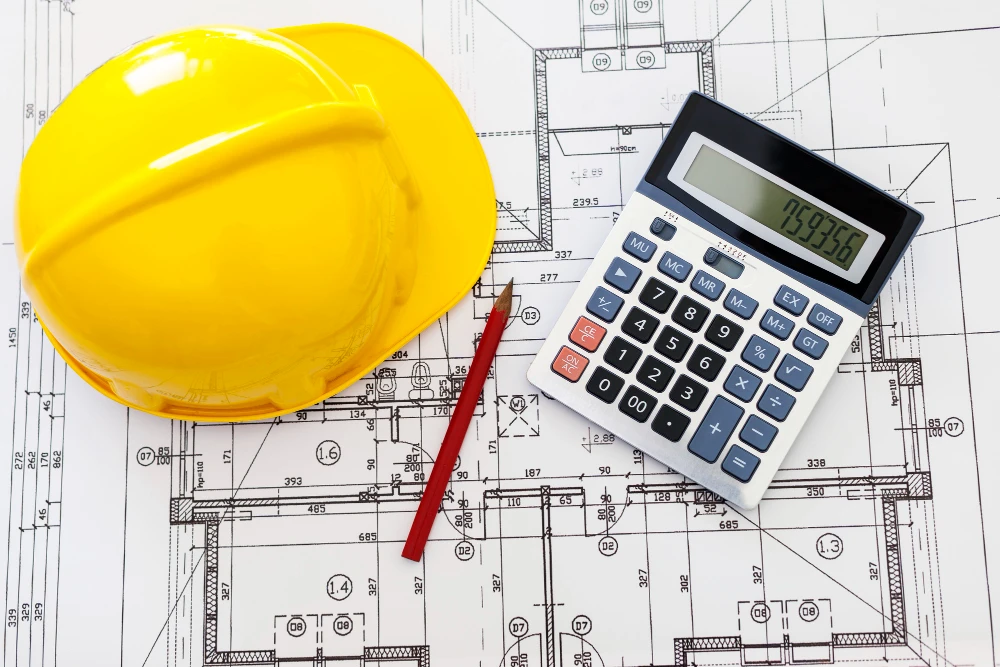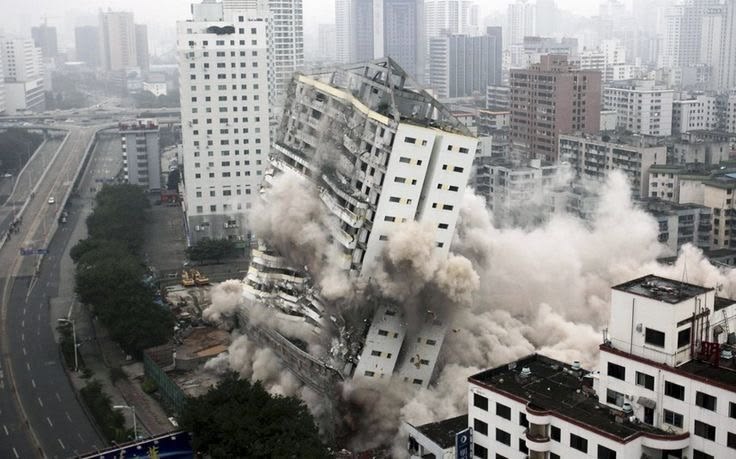


Every building project in Kenya — from a family maisonette to a luxury villa — is governed by three forces that pull against one another from the first day to the last. Get them in balance, and your project is delivered as promised: the home you envisioned, finished on time, within the budget you set. Get them out of balance, and you end up with the all-too-familiar story — a project that drags on, swallows more money than planned, or quietly cuts corners to make the numbers work. Keeping those forces in balance is what good construction project management in Kenya is really about.
These three forces are known as the triple constraints: Scope, Time and Cost. At Kaka Systems, managing them is at the very heart of how we work. When we act as your project managers, our core promise is simple: we keep all three within their agreed baselines, and we never let quality become the casualty.
What are the triple constraints?
Picture a triangle. Each side represents one constraint:
Scope — what is being built (the size, design, specifications and finishes).
Time — how long it will take (the schedule from drawings to handover).
Cost — how much it will cost (the budget to deliver it).
The three are inseparably linked. You cannot change one without affecting the others. Expand the scope, and both time and cost go up. Shorten the time, and cost usually rises. Cut the cost, and either the scope shrinks or the schedule stretches.
This is why we call it a constraint triangle: the three sides must stay in balance. And at the centre of the triangle sits the one thing that must never be compromised — quality.
1. Scope — defining exactly what you're building
Scope is the complete definition of your project: the floor area, the number of rooms, the design, the materials, the finishes, the external works — everything that makes up the finished product.
Why it matters: Scope is where most projects go wrong, and it usually happens through something called scope creep — the gradual, unplanned expansion of a project. "Let's add a balcony." "Can we extend the kitchen?" "Actually, let's make it three storeys instead of two." Each change seems small on its own, but together they quietly inflate both your timeline and your budget — often without you realising until it's too late.
How we manage it: We define your scope clearly and completely before breaking ground, through detailed drawings and a bill of quantities (the itemised list of every material and task). This becomes your scope baseline — the agreed definition of what will be built. If you later want to change something, we don't just absorb it silently. We show you exactly how that change affects time and cost, so you can decide with full information. Controlled change is fine; uncontrolled change is how budgets collapse.
2. Time — delivering on a realistic schedule
Time is the project schedule: the programme that runs from design and approvals, through construction, to final handover.
Why it matters: For diaspora investors especially, time is money and peace of mind. Every month a project overruns is another month of rent you keep paying, another month your capital is tied up, and another month of uncertainty from a distance. Delays also open the door to the problems you most fear — a contractor losing momentum, costs creeping up, or a site going quiet.
How we manage it: We build a realistic programme for your specific project — not an optimistic fantasy designed to win your business, but an honest schedule you can plan around. This becomes your time baseline. We then drive the project against it, phase by phase, and keep you informed of progress at every stage. Where genuine delays occur — a long rainy season, a slow approval — we flag them early and openly, rather than letting weeks slip by in silence.
3. Cost — protecting your budget
Cost is the total budget required to deliver your project to the agreed scope and schedule.
Why it matters: This is where diaspora investors are most vulnerable. The nightmare is the project that keeps asking for "just a little more" — more for cement, more for the roof, more for a problem no one warned you about — until your careful budget is a distant memory and your dream is half-built. Poor cost control, hidden costs and dishonest contractors turn affordable projects into financial sinkholes.
How we manage it: We establish a detailed cost baseline using a comprehensive bill of quantities, so you know your real budget before you commit. We procure materials smartly and transparently, plan a sensible contingency for genuine surprises, and never spend beyond the baseline without discussing it with you first. Through our escrow-backed model, your funds are released by a partner bank only as verified milestones are achieved — so you pay for value delivered, never for empty promises.
4. Quality at the centre
Notice that quality is not one of the three sides of the triangle — it sits at the centre. That is deliberate. The temptation on every project under pressure is to protect scope, time and cost by quietly sacrificing quality: a weaker concrete mix, a cheaper finish, a skipped inspection.
At Kaka Systems, that trade is off the table. Quality is never the variable we adjust. When the triple constraints come under pressure, we manage the three sides openly and keep you involved in the decisions — but we never buy our way back into balance by compromising the integrity of what we build. A building is only as good as the standards it's built on, and those standards are not negotiable.
Construction project management in Kenya: the triangle in practice
Here's the balance in action:
You want more (bigger scope)? We show you the added time and cost before you decide.
You need it faster (less time)? We explain the cost implications — more labour, longer shifts, premium scheduling.
You need to spend less (lower cost)? We work with you to adjust the scope sensibly or phase the project — never to cut quality.
This is what professional project management actually means: not just building, but actively managing the trade-offs so your project stays within its baselines and delivers exactly what you were promised.
Why this matters for the diaspora investor
When you're building from thousands of miles away, the triple constraints are not an abstract theory — they are the difference between a successful investment and a painful loss. You can't be on site to catch scope creep, to chase a slipping schedule, or to question a rising cost. You need someone to do that for you, honestly and competently.
That is exactly the role we play. As your project managers, we hold the triangle steady on your behalf — controlling scope, protecting your schedule, safeguarding your budget and refusing to compromise quality — so you can invest with confidence, wherever you are in the world.
Build on a foundation of discipline
A well-managed project is not luck. It is the disciplined control of scope, time and cost, with quality held firmly at the centre. That discipline turns your hard-earned money into a home or investment you can be proud of — delivered as promised, without the stress and surprises.
Planning a build in Kenya, at home or from abroad? Talk to Kaka Systems about managing your project.
Written by
Eng. George K. Ndung’u, PE, PMP
Founder, Kaka Systems. Leads every Kaka Systems build across Kenya, for clients at home and abroad.