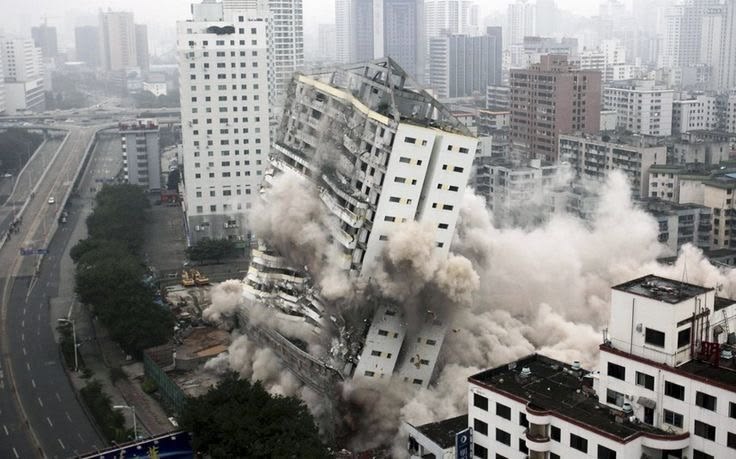
Every so often, Kenya is shaken by news of a building that has collapsed, often with a tragic loss of life. Almost every time, the investigation tells the same story: the structure was put up without proper approvals, without professional oversight, and without anyone checking that it was safe to stand. Building without approval in Kenya is not a shortcut. It is a gamble with your money, your legal standing and, potentially, people's lives.
For diaspora investors the risk is especially real. From abroad, it is tempting to let a relative or a low-cost contractor "just get started" to save time and money. This article explains why approvals exist, what happens when they are ignored, and how to make sure your own project is never one of those headlines.
Why building approvals are necessary
Approvals are not bureaucratic box-ticking. Each one exists to confirm that your building is safe, legal and fit for purpose:
County Government approval confirms that your architectural and structural plans meet the building code and planning rules before work begins.
NCA registration (National Construction Authority) confirms that your contractor is qualified, licensed and accountable for their work.
NEMA approval (National Environment Management Authority) confirms that the project meets environmental standards, where this is required.
Professional sign-off by a registered architect and structural engineer confirms that the design is sound and the building can safely carry its loads.
Together, these approvals form a chain of professional accountability. Skip them, and no one has checked that your building is safe while it is being built or once people move in. For a full guide to what each body does, read County, NCA, NEMA and specialised approvals explained.
Why skipping approvals leads to collapse
Buildings do not collapse by accident. They collapse because something unseen went wrong, and approvals exist to catch those problems before they become fatal.
Unverified structural design. Without approved engineering drawings, there is no guarantee that the foundations, columns and slabs can carry the load. Under-designed, overloaded structures fail.
Substandard materials. Unregulated projects often cut costs with weak concrete, too little steel or poor-quality blocks. These defects stay hidden inside the structure until it is too late.
Unqualified builders. When a contractor is not NCA registered, no one has confirmed that they are competent to build safely.
No inspections. Approved projects are checked at key stages. Unapproved ones are not, so mistakes go unnoticed until the building cracks, sinks or falls.
Unsuitable ground. Without a proper assessment, a building can end up on unstable or waterlogged soil that was never engineered to carry it.
Each missed approval removes a safety net. The table below shows what each check is there to catch.
Check that gets skipped | What it should catch | What can happen without it |
|---|---|---|
Structural design approval | Foundations, columns and slabs sized for the load | Cracking, sagging or collapse |
NCA registered contractor | A builder with proven competence and accountability | Poor workmanship with no one answerable |
Stage inspections | Defects found while they can still be fixed | Hidden faults sealed into the structure |
Material testing and supervision | Concrete strength and steel as specified | Weak concrete and missing reinforcement |
Site and soil assessment | Ground that can safely carry the building | Settlement, sinking or flooding damage |
Remove enough of these safety nets and collapse stops being a risk. It becomes a matter of time.
The legal trouble of building without approval in Kenya
Even if the building stands, building without approval in Kenya exposes you to serious legal and financial consequences:
Stop orders and demolition. The county can halt your project at any stage or order an unapproved building to be demolished. Your investment goes with it.
Fines and penalties. Building without permits can lead to significant financial penalties.
Personal liability. If an unapproved building causes injury or death, the owner can face criminal and civil liability.
No insurance cover. Insurers will not pay out on an illegal structure, so you carry every loss yourself.
A property you cannot sell or mortgage. Without approvals and an occupation certificate, buyers and banks will walk away, and transferring the property becomes difficult.
Costly regularisation. Getting a building approved after it is built is expensive, uncertain and sometimes impossible. It can mean demolishing finished work.
An unapproved building is not an asset. It is a liability in disguise.
The diaspora risk
From thousands of miles away, you cannot walk the site to check that approvals are genuinely in place. That is exactly why dishonest contractors tell diaspora clients "don't worry, it's handled", then build illegally to save time and money and pocket the difference.
By the time you discover the truth, whether through a stop order, a crack in the wall or a failed sale, the money is gone and the damage is done.
How to protect yourself
Insist on seeing the approvals: copies of the approved plans, the construction permit, the NCA registration and the NEMA approval where required.
Check your contractor yourself. You can verify an NCA registered contractor online in minutes, from anywhere in the world, on the NCA website.
Appoint independent oversight to confirm the approvals are genuine and that the build follows the approved plans. This is what our construction management service does.
Never release money for a project you cannot confirm is legal. Milestone payments and escrow protection keep your funds safe until compliance and progress have been checked.
For more on staying in control from a distance, see how to manage construction in Kenya from abroad, and for the reasons some developers cut corners in the first place, read why some developers skip building approvals.
Questions people ask
What happens if you build without approval in Kenya?
The county can issue a stop order, fine you or order the building to be demolished. You may also struggle to insure, sell or mortgage the property, and you can be held liable if anyone is hurt.
Can I get approval after the house is built?
Sometimes, but it is expensive and uncertain. The county may require changes, structural tests or even the demolition of parts of the building before it will approve it. Getting approval first is always cheaper.
Who is responsible if an unapproved building collapses?
Responsibility can fall on the owner as well as the contractor and anyone else involved. That is why owners, including those living abroad, should never assume someone else has handled the approvals.
How can I tell if my building has genuine approvals?
Ask for copies of every approval and permit, check the contractor's NCA registration online, and have an independent professional confirm the documents are genuine and that the work matches the approved plans.
The Kaka Systems promise
We will never build a structure that is not fully approved, properly designed and professionally supervised, because your safety, legal standing and investment depend on it. Every project we manage goes through the full approval chain: County Government, NCA, NEMA where required, and sign-off by registered professionals. We document every approval, share it with you, and build strictly to the approved plans.
Don't gamble with your investment or anyone's safety
Skipping approvals might save a few weeks and a few shillings today. Tomorrow it can cost you your entire investment, your legal standing and, in the worst cases, lives. No version of this gamble is worth taking.
Building back home? Talk to Kaka Systems. We will make sure your project is fully approved, properly engineered and professionally supervised from the first drawing to the final handover, so your building stands safely, legally and proudly. Book a free consultation.
Written by
Kaka Systems
Kaka Systems builds homes across Kenya, with clear budgets in KES and full updates for clients abroad.