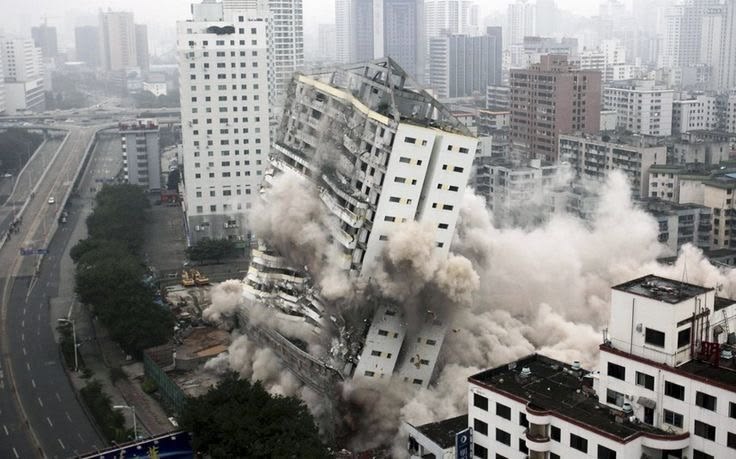

Ask any diaspora investor about their biggest fear, and it's rarely the act of building itself. It's the half-finished shell: walls up, no roof, weeds growing through the foundation, sitting idle for months or years while money, trust and hope slowly drain away. A stalled construction project in Kenya is one of the most painful outcomes in construction.
Its true cost is almost always far higher than it first appears. The good news is that stalling is nearly always avoidable, if you understand what causes it and put the right protections in place from the start.
The true cost of a stalled construction project in Kenya
When a project stalls, the loss isn't just "the work stopped for a while". The damage shows up in ways many investors never expect.
1. Direct financial loss
Money spent with nothing to show for it: advances paid for work that was never done, or done badly.
Wasted and stolen materials: materials bought but misused, damaged by the weather, or simply gone from an unsupervised site.
Rework: poor-quality work often has to be demolished and redone, so you pay twice for the same job.
2. Inflation and rising prices
Construction costs rise over time. A project that stalls for a year can cost significantly more to finish than planned, because materials, labour and fees all go up while the building sits idle.
3. Deterioration of what's already built
An exposed, unfinished structure deteriorates. Rain, sun and time damage foundations, walls and reinforcement. Unprotected steel rusts and unfinished concrete weakens. You may have to repair or rebuild work you have already paid for.
4. Lost income and opportunity
Every month a rental or resale property sits unfinished is a month of lost rent or returns. The capital tied up in a dead project is capital that can't work for you anywhere else.
5. The human and emotional cost
Stress, sleepless nights and strained relationships, often with the very family members trusted to oversee the build. The emotional toll of a stalled dream is real and heavy.
6. Legal and recovery costs
Chasing a contractor who has vanished, recovering misused funds or settling disputes costs legal fees, time and more money, with no guarantee you will get anything back.
Put together, a stalled project can easily cost far more than the original budget, sometimes double, and occasionally it is never finished at all.
Why construction projects stall
Stalling is almost never bad luck. It usually comes from a handful of avoidable causes:
Poor planning and unrealistic budgets: running out of money midway because the true cost was never properly calculated.
No clearly defined scope: leading to constant changes, scope creep and budget overruns.
Paying too much too early: large advances that remove the contractor's reason to keep going.
Unverified or incompetent contractors: builders who take the money, underperform, disappear, or do work that has to be redone.
No independent oversight: no one competent watching progress, quality or spending, especially when the investor is abroad.
Cash-flow gaps: funds released in the wrong order, or not available when needed, so work stops.
Disputes: disagreements about scope, cost or quality that bring the site to a halt.
Missing approvals: a county stop order halting an unapproved build midway (see why building without approval leads to legal trouble).
Poor communication between the project team and the owner.
Notice the pattern: nearly every cause is about structure, verification and control, which are exactly the things you can put in place before you start.
How to avoid a stalled project
The plan is straightforward, and together these steps make stalling very unlikely. The table shows which safeguard deals with which cause.
Safeguard | What it prevents |
|---|---|
Complete drawings and a detailed BoQ | Running out of money because the true cost was never known |
Milestone payments, never large advances | Contractors losing the incentive to finish |
Escrow through a partner bank | Funds being misused, diverted or disappearing |
Verifying the contractor, land and approvals | Unqualified builders and stop orders |
Independent project management | Problems going unnoticed until it is too late |
Regular, structured reporting | Small issues growing into a stalled site |
Protecting quality | Rework and failures that drain the budget |
1. Plan properly and budget correctly
Start with complete drawings and a detailed Bill of Quantities (BoQ), so you know the true cost before you commit. Include a contingency and a management reserve for the unexpected. A project budgeted honestly from the start rarely runs dry. Our guide on how to budget for a construction project without hidden costs walks through it step by step.
2. Never pay before the work is verified
Use a milestone-based payment schedule tied to completed, verified stages, never a large advance. Payment follows performance, which keeps the contractor motivated.
3. Use escrow protection
This is the single strongest safeguard for a diaspora investor. With escrow, your funds are held by a partner bank and released only when agreed milestones (foundation, walling, roofing, finishes and handover) are independently verified as complete. Funds can't be misused or diverted, and no one can take your money and walk away, because the structure controls the flow of money, not a single person. Read more in how escrow protects your money when building from abroad.
4. Verify everyone before you start
Confirm your contractor is NCA registered in the correct category, check references and past work, and verify land ownership and approvals. Most disasters are visible in advance to those who check. Here is how to verify an NCA registered contractor online.
5. Appoint independent professional oversight
A professional project manager working for you keeps the project on scope, on time and within budget, spots problems early and makes sure the work meets the standard before any payment is released. This is how you stay in control from abroad. See our construction management service.
6. Insist on regular, structured reporting
Scheduled progress reports, dated photos and video, and spending tracked against the BoQ bring problems to the surface early, while they are still small and fixable, rather than after the project has stalled.
7. Protect quality: don't let it be the variable
When budgets tighten, the temptation is to cut quality to keep going. That is a false economy that leads to rework and failure. Quality should never be the first thing to go. Get it right the first time.
Questions people ask
Why do so many construction projects stall in Kenya?
Most stall for the same few reasons: an unrealistic budget, large payments made before the work is done, an unverified contractor and no one independent watching the site. All of these can be dealt with before construction starts.
Can a stalled construction project in Kenya be restarted?
Usually, yes. The first step is a professional assessment of what has been built: its condition, its quality and whether it matches the approved plans. Any damaged or substandard work is repaired first, then the remaining work is priced from a fresh BoQ before building continues.
How much more does it cost to finish a stalled project?
It depends on how long the site sat idle and the condition of the work, but rising prices, repairs to exposed work and rework can push the final cost far above the original budget, sometimes to double.
How does escrow stop a project from stalling?
Escrow means the money is held by a bank and released only when each milestone is verified as complete. The contractor is paid for progress, not promises, and your funds can't be spent ahead of the work or taken off the project.
The Kaka Systems approach: projects that get finished
We build our whole model around one promise: your project gets finished properly. We plan honestly with a detailed BoQ, manage scope, time and cost under professional supervision, and report to you openly at every stage. Through our escrow-backed model, a partner bank releases your funds only as verified milestones are reached, so money is never spent ahead of progress and your project keeps moving. And we never cut corners on quality.
A stalled project is exactly the outcome our whole approach is designed to prevent.
Don't let your dream become a shell
The true cost of a stalled project is measured in wasted money, rising costs, deteriorating work, lost income and real heartache. But it is almost always avoidable, with honest planning, a vetted construction team, milestone payments, escrow protection and independent oversight. For more on staying in control from a distance, see how to manage construction in Kenya from abroad.
Building back home? Talk to Kaka Systems before you break ground. We will help you build on a foundation designed to keep your project moving, from the first block to the final handover, so your investment is protected, completed and something you are proud of. Book a free consultation.

Written by
Kaka Systems
Kaka Systems builds homes across Kenya, with clear budgets in KES and full updates for clients abroad.