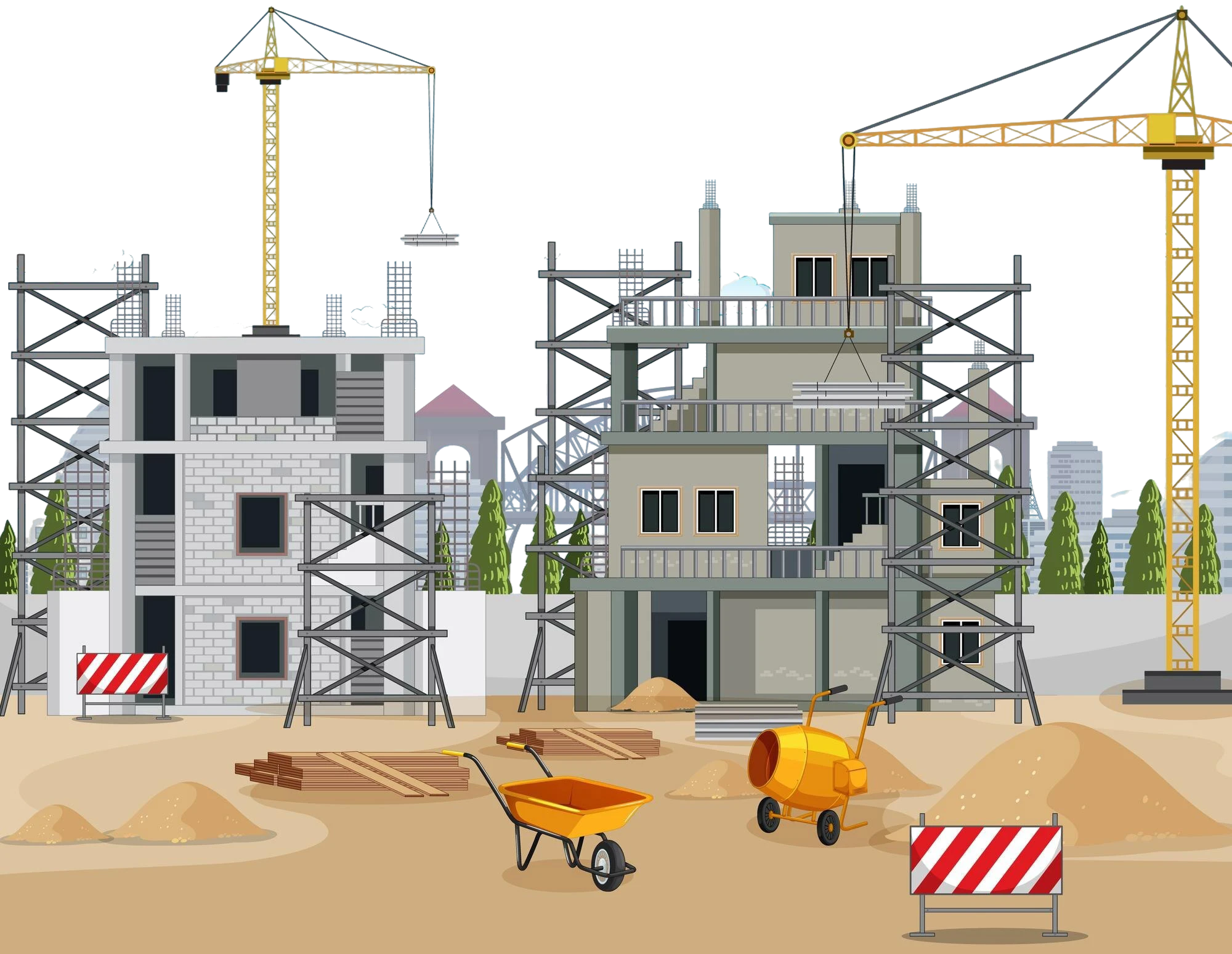

At Kaka Systems, the final coat of paint or the last polished surface is never the whole story. What clients see and live with every day is the result of deliberate checks, measurements and accountability built into every phase of the project. Quality is not a final inspection. It is a continuous process.
This is the construction quality control checklist we follow on our projects. It is designed to catch issues early, protect the integrity of the build, and deliver spaces that perform as well as they look.
1. Pre-construction foundation
Before any ground is broken, we set the standards that will guide the entire project.
Review approved drawings, specifications and client requirements to ensure compliance with applicable regulations and standards.
Verify material submittals and samples (concrete mix designs, steel certifications, finishes and fixtures).
Confirm site conditions, boundaries, survey data and existing utilities.
Establish clear hold points and inspection milestones with the project team and third-party inspectors.
Brief all trades on Kaka Systems' quality expectations and documentation requirements.
This stage prevents costly mismatches later. If you are still at the planning stage, our checklist before building a house in Kenya covers what to settle first.
2. Site preparation and structural work
The invisible work determines long-term performance.
Inspect the excavations and soil conditions in line with the geotechnical recommendations, and confirm they are suitable.
Before concrete pours, check formwork, rebar placement, cover and alignment.
Monitor concrete testing (slump, temperature and 28-day cube strength) and set out the curing procedures to be followed.
Verify structural framing for dimensions, connections, plumbness and level.
Document any deviations and resolve them before proceeding.
We treat these checks as non-negotiable. A solid structure is the only foundation worth building on.
3. Building envelope and weatherproofing
Water, air and thermal performance are managed here.
Inspect waterproofing membranes, flashings and drainage systems at critical junctions.
Confirm window and door installation for proper sealing, shimming and operation.
Check the insulation installation for continuous coverage and the correct R-values or performance ratings.
Verify roofing underlayment, membrane and penetrations.
Perform interim water tests where appropriate.
Leaks discovered after occupancy are costly. We aim to find them on site.
4. Mechanical, electrical and plumbing (MEP) rough-in
Systems must be correct before they disappear behind finishes.
Review routing against interfaces to avoid clashes.
Inspect pipe slopes, supports, joints and pressure testing results.
Confirm that electrical conduits, wiring, earthing and panel installations comply with code and design.
Check HVAC ductwork for sealing, support and insulation.
Ensure all penetrations through fire-rated assemblies are properly sealed.
We require signed-off pressure tests, continuity checks and photographic evidence at key stages. No rework is allowed after plastering is complete. Always first time right.
5. Interior and exterior finishes
This is where the project becomes visible, and where many defects hide under the paint.
Verify substrate preparation before installing flooring, tiling or wall finishes.
Check alignment, level and joint quality of tiles, cladding and joinery.
Inspect paint and coating application (number of coats, coverage and finish consistency).
Confirm that fixtures, fittings, ironmongery and appliances match the approved schedule and operate properly.
Review external cladding, rendering or landscaping elements for workmanship and weather resistance.
Our teams use detailed checklists and sample boards so that expectations are consistent across all spaces and elevations. See how we handle this on our interior fit-out projects.
6. Pre-handover and final quality review
Before we invite the client to the official walkthrough, we complete our own rigorous review.
Conduct a comprehensive internal punch-list inspection, room by room and system by system.
Test all operable items (doors, windows, switches, taps, appliances and HVAC controls).
Verify that cleaning has been completed to standard and that protective materials have been removed from fixtures.
Compile as-built documentation, warranties, operation manuals and maintenance guidance.
Address every punch-list item and re-inspect until all are closed out.
Only then do we schedule the client handover inspection.
7. Handover and aftercare
Quality control does not end at practical completion.
Walk through the project with the client, document any remaining observations, and agree on timelines for resolution.
Provide clear handover packs and training for systems as needed.
Schedule post-occupancy follow-ups to catch any settling or seasonal issues early.
Maintain open communication channels for warranty claims and feedback.
Then you enjoy your build.
Questions people ask
What is a construction quality control checklist?
It is a list of the checks, tests and sign-offs a builder carries out at each stage of a project, from reviewing drawings before work starts to the final walkthrough at handover. Its purpose is to catch defects while they are still cheap to fix, rather than after the client moves in.
Who carries out quality checks on a building site in Kenya?
The contractor runs day-to-day quality control, while the architect, structural engineer and county or NCA inspectors check key stages such as foundations and structural work. Make sure your builder is properly registered; here is how to verify an NCA registered contractor.
Can I follow quality control if I'm building from abroad?
Yes. Ask for dated photos, test results and signed inspection records at every hold point, not just progress updates. Our guide on how to manage construction in Kenya from abroad explains how to stay in control remotely.
What happens if a defect is found after handover?
Defects that appear during the agreed liability period should be reported and fixed by the contractor at no extra cost. That is why we schedule post-occupancy follow-ups and keep warranty channels open.
The Kaka Systems promise
Every item on this checklist exists because shortcuts create problems that surface months or years later. Quality shows in the finish, but it is earned long before then.
At Kaka Systems, we document, photograph and sign off at each defined stage to ensure clear accountability. Clients receive not only a finished building but also the confidence that it was built to a defined standard. Our construction management service brings this construction quality control checklist to every project we run.
Planning to build?
Talk to Kaka Systems before you break ground. We will walk you through every item on this list and show you how we protect your investment from the ground up. Book a free consultation.

Written by
Kaka Systems
Kaka Systems builds homes across Kenya, with clear budgets in KES and full updates for clients abroad.